
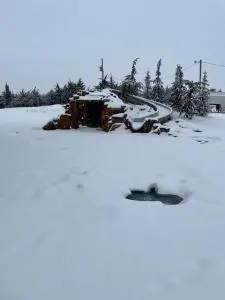
 When swimming season ends, your pool still needs attention. Proper winter pool maintenance helps protect the water, plumbing, equipment, and surrounding features from damage while making it easier to get everything ready when warmer weather returns. Whether you live somewhere with freezing winters or simply stop using your pool for several months, a little preparation goes a long way.
Clean and Balance Your Pool
Before closing your pool for the season, start with a thorough cleaning. Skim away leaves and debris, brush the walls and floor, and vacuum the pool as needed. Cleaning the water before an extended period of unuse helps prevent buildup and makes spring maintenance easier.
It is also important to test and balance the pool water before winterizing. The U.S. Environmental Protection Agency recommends cleaning the pool water, balancing chemicals, and using winterization chemicals when appropriate.
Protect Your Pool Plumbing in Cold Water
For pools in areas where temperatures regularly fall below freezing, protecting the plumbing is one of the most important steps in winterizing a pool. Water left inside filters, pumps, heaters, and pipes can freeze and expand, potentially damaging equipment and plumbing.
Before freezing temperatures arrive, follow the equipment manufacturers’ instructions for draining and winterizing your system. If you are unsure how to properly winterize your pool, consider hiring a qualified pool professional to handle the process.
Your pool accessories deserve attention, too. Before winter arrives, be sure to drain any remaining water from your slide’s plumbing system to help prevent freezing and potential damage.
What About Mild Weather Climates?
Not every pool needs to be completely shut down for the winter. In warmer areas, homeowners may use their pools less frequently without experiencing prolonged freezing temperatures. In these situations, regular water testing, cleaning, filtration, and use of a pool cover are still important. The EPA recommends using a pool cover whenever a pool is not in use to help reduce evaporation.
The right approach depends on your local climate, pool condition, and how long the pool will remain unused. When in doubt, follow the recommendations provided by your pool and equipment manufacturers. If your pool has a slide, include it in your winter maintenance checklist. Clean the surface, inspect for damaged or loose components, and make sure the water lines are properly drained in freezing climates. For more information about pool slides and maintenance, or contact us to discuss your needs.

Recent Comments